Pollinator movement in cities (aka “Bug Roads”)
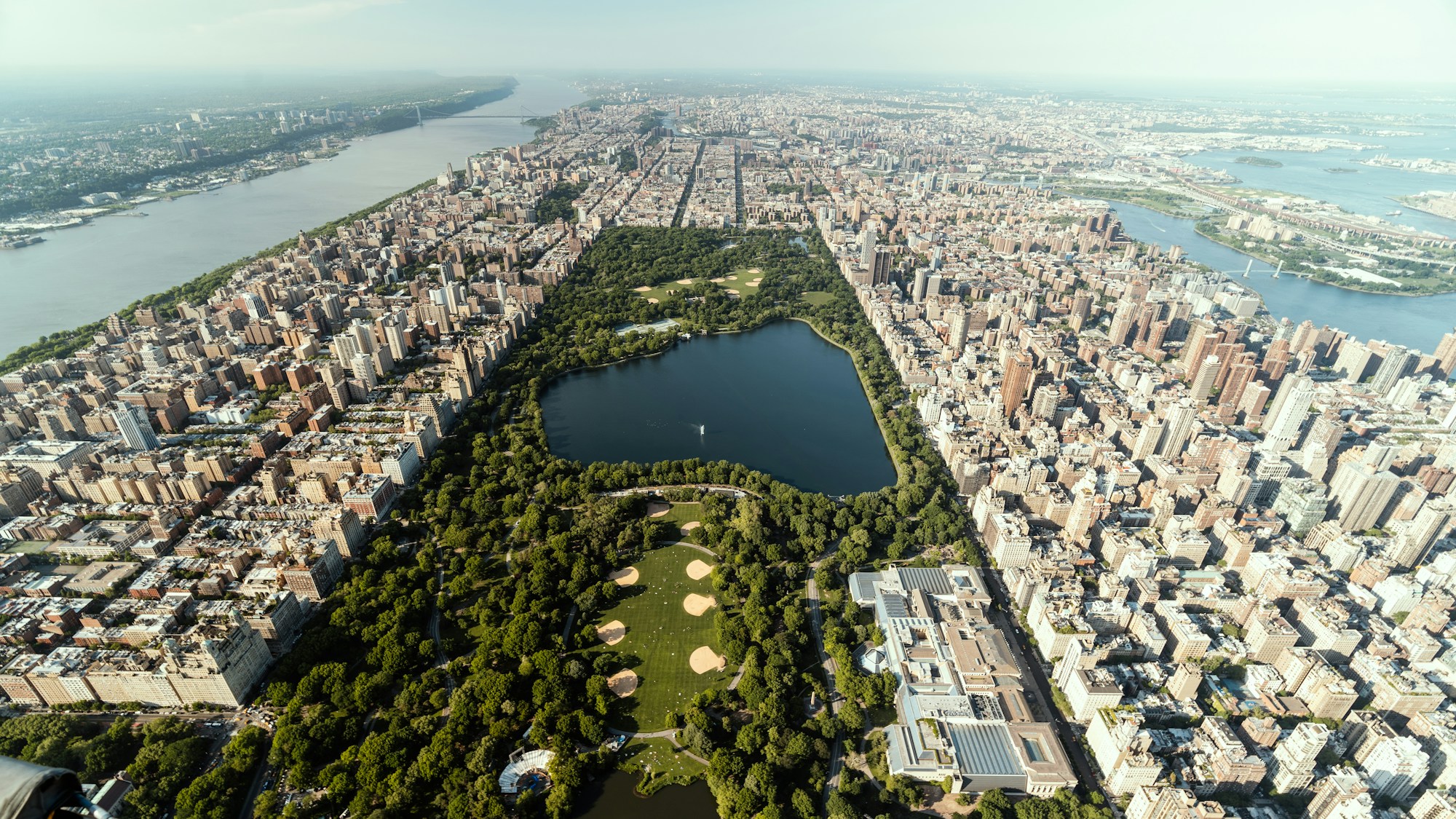
Insect pollinators (e.g., bees and butterflies) are important components of natural ecosystems and green spaces are important for the maintenance of pollinator biodiversity. However, green spaces are generally not evenly distributed in cities and there are potential barriers, like buildings, to pollinator movement. These factors may make it harder for pollinators to find those green spaces.
Using GIS software and shortest-distance algorithms (think Google Maps), we are modeling the distance insects need to travel between points in the city and green spaces while also navigating building-lined streets. We are calling these paths “bug roads” and we are using this information to identify important green spaces (shortest bug roads) and viability of locations for pollinator houses and urban bee hives in Cities. We started with the five New York City boroughs and now are working on modeling “bug roads” within multiple U.S. and international cities.
Using machine vision to explore patterns of green roof coverage in major U.S. cities.
Green roofs are becoming popular nature-based solutions to climate change and loss of habitats in cities. Indeed, may cities now require all new buildings with flat roofs to have green roofs on them. While some cities provide data on the quality and location of green roofs, many do not, and most do not also include private rooftop gardens; therefore, the analysis of green roofs over time and over urban landscapes requires new, innovated techniques. We are developing a multi-city machine vision model to detect green roofs/roof gardens within major U.S. cities using publicly available satellite imagery. We currently have data from 25 US cities and have an detection rate of around 90% for some of those cities including NYC, Chicago, Baltimore, and Seattle.
Biodiversity in small green spaces
Green spaces in cities are import for many reasons, including providing a bit of nature for city residents and providing ecosystem services that have previously been lost through the process of urbanization. These services include climate control, storm water management, and carbon sequestration. Biodiversity is also a ecosystem service, providing things like pollination and pest control.
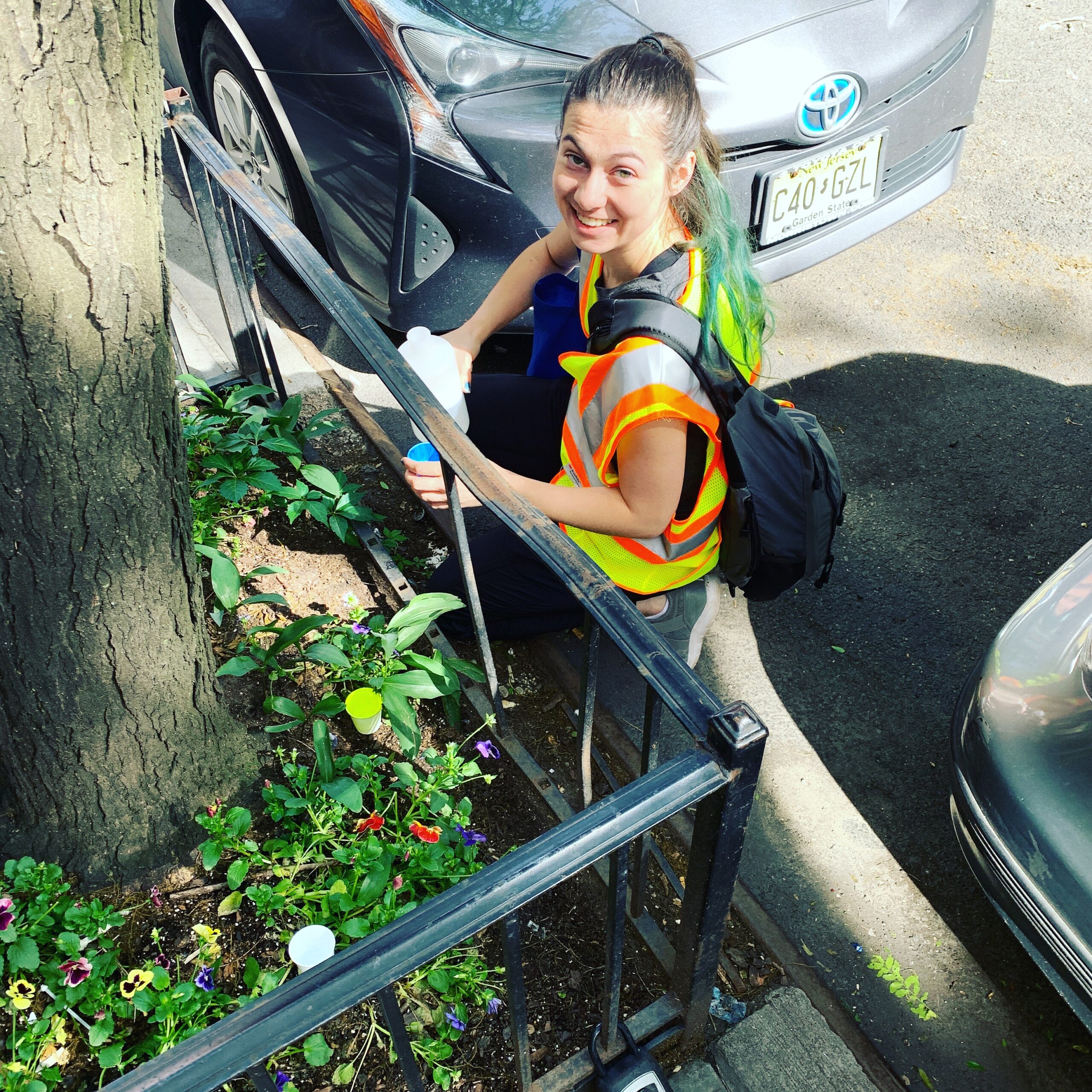
A lot of attention has been given to large green areas like city parks. Urban farms and green roofs are also increasing in popularity. However, little is known about the function of micro-green spaces like tree pits for supporting biodiversity. This project aims to describe insect communities in tree pits throughout New York City and assess their potential for providing ecosystem services.
Recent publications
Lundquist MJ, Lovejoy PC, Fay BG, Hernandez, JE, Madrid M (2025) Bug roads: Modeling the connectivity of green spaces and pollinator habitat in a large city using Open GIS data and tools. Ecological Applications. (35) e70128
Leri AC, Fassihi GE, Lundquist MJ, Khan M, Arguin ML (2024) Vertical stratification and seasonality of fecal indicator bacteria in New York City playground sandboxes. Ecotoxicology and Environmental Safety (273) 116152-116152
Lundquist MJ, Weisend MR, and Kenmore HH (2022) Insect biodiversity in urban tree pit habitats. Urban Forestry and Urban Greening (78) 127788